
Welcome to ParaComm International
Welcome to ParaComm International
Transforming The Culture Of An Organization
ParaComm Team
ParaComm Team
We are a global consultancy helping companies thrive in a rapidly changing world.
What We Do
What We Do
We use leadership language, tools and practices to transform how people observe their environment, effectively allowing them to see new possibilities and make unprecedented commitments that result in breakthrough performance.

Results
Results
We work with companies to create Commitments to transform the culture of an organization, so they can achieve the breakthroughs that lead to results and lasting change. Check out some results we’ve achieved with our clients.
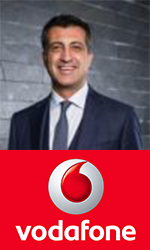
“ParaComm helped me to build a truly unique culture in my organization that delivered not only breakthrough results but also high motivation and loyalty. ParaComm’s Transformational Leadership Program is definitely the most powerful tool that I have experienced in my career to build a committed organization that delivers breakthrough results.”
Gökhan Öğüt
CEO, Vodafone Turkey
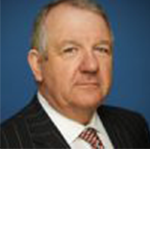
“What ParaComm does affects the fundamental culture, value and prosperity of there business. We set ourselves an unreasonable goal to double our size within five years while producing excellent returns – we achieved this a year ahead of plan. ParaComm played a key role in our ability to achieve this.”
Bob Dryburgh
President, Jenisys Engineered Products
“It is extremely rare for a highly successful company to ‘stand in the future’ and recognize the need to transform itself. ParaComm helped us create a cultural shift with a clear strategic intent for the business, and now all four world areas stand aligned on our common vision and strategy.”
Brian Baldock CBE
CBE, Chairman and Managing Director, Guinness Brewing Worldwide

“The most meaningful and effective contribution ParaComm made was to help us expand our thinking and to act in new ways. They introduced us to a new way of communicating which has endured years later. As a result of their work the culture of this organization is different.”
Peter Lederer
CBE, Chairman, The Gleneagles Hotel
"Tim is one of the most gifted facilitators I have worked with. He was able to translate strategy for individuals, this is what it means to you. Everything was always connected back to this."
Joanne Morrow
Senior Vice President, The Banff Centre
"Tim has doubled our return on human capital. He changed the face of our business. This was a great building block for our future strategic initiatives. We went through a fundamental change of mindset. The change was tangible. Not only did it change how people work, it changed their lives."
Randy Bell
Vice President, Finance, Pearson Packaging
"It’s not just about having the right tools—it was our Perspective that needed to change dramatically. If you are really committed to changing the culture of your organization, working with ParaComm will generate excellent results."
James Dodds, B.C. Research
Vice President Operations
"What they do is help companies find new and effective ways of communicating. The ability to do this creates a basis for powerful relationships. People actually talk about what's important and meaningful. As a result, things get done faster."
Roly Morris
Zone Vice President, Starbucks
“ParaComm helped me to build a truly unique culture in my organization that delivered not only breakthrough results but also high motivation and loyalty. ParaComm’s Transformational Leadership Program is definitely the most powerful tool that I have experienced in my career to build a committed organization that delivers breakthrough results.”
Gökhan Öğüt
CEO, Vodafone Turkey
“What ParaComm does affects the fundamental culture, value and prosperity of there business. We set ourselves an unreasonable goal to double our size within five years while producing excellent returns – we achieved this a year ahead of plan. ParaComm played a key role in our ability to achieve this.”
Bob Dryburgh
President, Jenisys Engineered Products
“It is extremely rare for a highly successful company to ‘stand in the future’ and recognize the need to transform itself. ParaComm helped us create a cultural shift with a clear strategic intent for the business, and now all four world areas stand aligned on our common vision and strategy.”
Brian Baldock CBE
CBE, Chairman and Managing Director, Guinness Brewing Worldwide
“The most meaningful and effective contribution ParaComm made was to help us expand our thinking and to act in new ways. They introduced us to a new way of communicating which has endured years later. As a result of their work the culture of this organization is different.”
Peter Lederer
CBE, Chairman, The Gleneagles Hotel
"Tim is one of the most gifted facilitators I have worked with. He was able to translate strategy for individuals, this is what it means to you. Everything was always connected back to this."
Joanne Morrow
Senior Vice President, The Banff Centre
"Tim has doubled our return on human capital. He changed the face of our business. This was a great building block for our future strategic initiatives. We went through a fundamental change of mindset. The change was tangible. Not only did it change how people work, it changed their lives."
Randy Bell
Vice President, Finance, Pearson Packaging
"It’s not just about having the right tools—it was our Perspective that needed to change dramatically. If you are really committed to changing the culture of your organization, working with ParaComm will generate excellent results."
James Dodds, B.C. Research
Vice President Operations
"What they do is help companies find new and effective ways of communicating. The ability to do this creates a basis for powerful relationships. People actually talk about what's important and meaningful. As a result, things get done faster."